

Reflections on the End of Ramadan
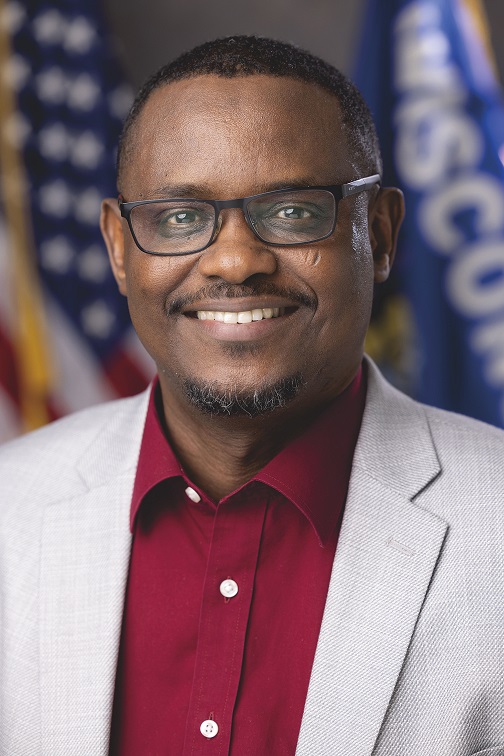
State Representative Samba Baldeh

In the Muslim world and in the Muslim community here in Madison, the Holy Month of Ramadan creates a bridge between the more secular space of the past and the space we move into as Ramadan ends. Ramadan brings about a shift in perspective. For example, we look at things differently when we don’t take for granted having food all day. For those of us who are fortunate not to experience food insecurity, we become aware of things we otherwise can count on without thinking too much.
The more intensive infusion of faith-based practices in everyday life during Ramadan further sets our Muslim community apart from the mainstream, but it also highlights our strengths, such as through the emphasis on time with the family; on food, and sharing food; on coming together as a community to express faith. There are so many people in our broader community who do not experience togetherness and belonging at all.
If, back in the mainstream, we thought more about food, coming together around it, and sharing it, I don’t think that would be a bad thing. Imagine the joy of Iftar and breaking each day’s fast, conscious of that particular day. That can be such a contrast with the busy busy and rush rush of many days in a world that values the fast pace and the getting things done. I do like getting things done though.
If we spent more time thinking about our assumptions regarding families, and how we as a society support them or undermine them, that reflection could also be useful. During Ramadan, our faith takes center stage. To believe in something and to be willing to make sacrifices for that thing we believe in, that can also be a valuable life lesson. Ramadan in Madison offers many opportunities to stand out for our faith, as meetings with lunches and events with hors d’oeuvres before dinner are many.
In my life, I have spent a great deal of time moving into new worlds, always bringing with me who I am and the communities I belong to. Coming to the Capitol to represent District 48 was another new world for me, and another in the series of firsts for the communities I am a part of. But I am also, always, part of the larger community that encompasses us all. I insist on representing all my constituents of all demographic categories, although I bring my understanding of my own immigrant experience, African experience, Muslim experience, being a Black man in America experience.
I have had to think a lot about what pluralism means. I don’t think there is any use in pretending that we all like each other, or that we are all deeply interested in knowing, understanding or celebrating each other. But I think pluralism means, unequivocally, that each of us belongs. Each of us belongs and has a seat at the table. We don’t have to agree, except on the fact that we all have a right to be there. There may be very important gains to be made from our disagreements or our differences in perspective.
Maybe on one of my committees there is a representative who doesn’t like the way I ask questions, or thinks I ask too many questions. That will not stop me. I don’t have to enact the role of representative the way he does or in a way that he likes. I don’t have to try to make myself agreeable to him. I hope as we continue to have opportunities to learn something about cultures other than our own, we remember the hard work of being open to difference. I will never know for sure if that objection to my questions is about racism or Islamophobia or xenophobia or personality or all of those. At the end of the day, what matters is that I am still there, still open to learning from others while knowing where I stand.
As Ramadan draws to a close, I cannot help thinking about Muslim communities across the world trying to survive in the most desperate circumstances. What the people of Gaza have endured is unimaginable to most of us here. It is unimaginable to me that we as a nation, and the world as a whole has allowed this to occur. We must continue to use our voices to demand an immediate, permanent ceasefire. I share the frustrations of, I believe, a majority of Americans, who like people all over the world want peace. We must also remain aware that there is suffering here around us, and to try to alleviate it as best we can. Our Muslim community is strong in caring for each other and it is good where we bring that sensibility into the broader society.